11 Feb 2026
Post by Parker
Setting up a solar backup generator at home is one of the most practical ways to prepare for power outages while also embracing cleaner energy. Modern systems are far more user-friendly than many homeowners expect, often requiring minimal installation and no fuel storage. Whether you want backup power for essentials or broader home coverage, understanding the setup process helps ensure safe, efficient operation. The following steps explain how to plan, install, and use a solar backup generator with confidence.
Step-by-Step Guide to Setting Up a Solar Backup Generator at Home
A successful setup starts with planning and ends with smart energy management. Each step plays an important role in how well your system performs.
Evaluate Your Home’s Power Needs
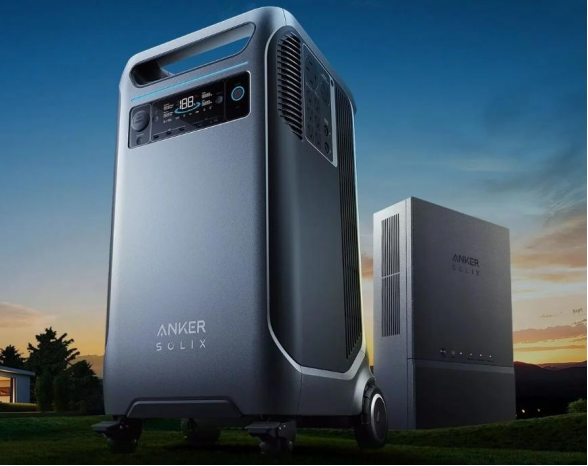
Begin by deciding what you want to power during an outage. Essentials usually include lights, a refrigerator, a Wi-Fi router, phones, and medical equipment. Some homeowners also want to support HVAC systems, well pumps, or home offices. Listing these devices and estimating their wattage helps determine the generator size you need. Larger systems, such as the Anker SOLIX F3800, are designed for high-demand households and offer expandable capacity for future needs.
Choose the Right Solar Backup Generator System
Once you know your energy requirements, select a generator with adequate output and battery capacity. Look for systems that use long-lasting LFP batteries, offer expandable storage, and support solar charging. If you want seamless home integration, choose a model compatible with a transfer switch or smart home power panel. This ensures safe and efficient distribution of power during outages.
Position and Connect Solar Panels
Solar panels should be placed where they receive maximum sunlight—typically in an open yard, driveway, or rooftop area without shading. Follow manufacturer guidelines for angle and placement to optimize performance. Connect the panels to the generator using the supplied cables and connectors, ensuring all connections are secure. High solar input allows faster battery recharging, which is especially important during extended outages.
Connect the Generator to Your Home
There are two common ways to power your home. For basic backup, you can plug appliances directly into the generator’s outlets. For broader coverage, install a transfer switch or smart home power panel. This setup isolates your home from the grid and allows selected circuits to run automatically during outages. Many modern systems support plug-and-play home backup kits, simplifying this step and reducing installation complexity.
Test the System Before Relying on It
After setup, test your solar backup generator by simulating an outage. Turn off grid power and confirm that the generator supplies electricity to connected devices or circuits. Check battery levels, output stability, and charging performance. Testing ensures everything works as expected and helps you become familiar with system operation before a real emergency occurs.

Set Up Smart Monitoring and Controls
Most advanced solar backup generators include app-based monitoring via Wi-Fi or Bluetooth. Use the app to track energy usage, battery status, and solar input in real time. Some systems offer smart modes like self-consumption or time-of-use optimization, allowing you to reduce electricity costs by using stored solar energy during peak pricing hours.
Maintain Your System for Long-Term Reliability
Regularly inspect solar panels, cables, and connections. Keep panels clean to maintain efficiency and store portable components properly when not in use. Battery-based systems require minimal maintenance, but occasional checks help ensure long-term performance.
Conclusion
Setting up a solar backup generator for your home is a straightforward process when approached step by step. By evaluating your power needs, choosing the right system, installing solar panels correctly, and using smart energy management tools, you can create a reliable backup solution. With modern options like Anker SOLIX solar generators, your home backup power becomes clean, quiet, and highly adaptable.